Quality Porcelain Crowns Preserve and Protect Your Teeth for a Lifetime of a Healthy, Stunning Smile
Damaged, decayed, or weakened teeth can damage the function and appearance of your smile. While dental inlays and fillings can be used to repair minor tooth damage or decay, extensive damage may warrant a dental crown. At Surrey Place Dental Group, our dental team can create a natural-looking dental crown to improve the strength and appearance of your compromised tooth.
The Many Functions of a Dental Crown
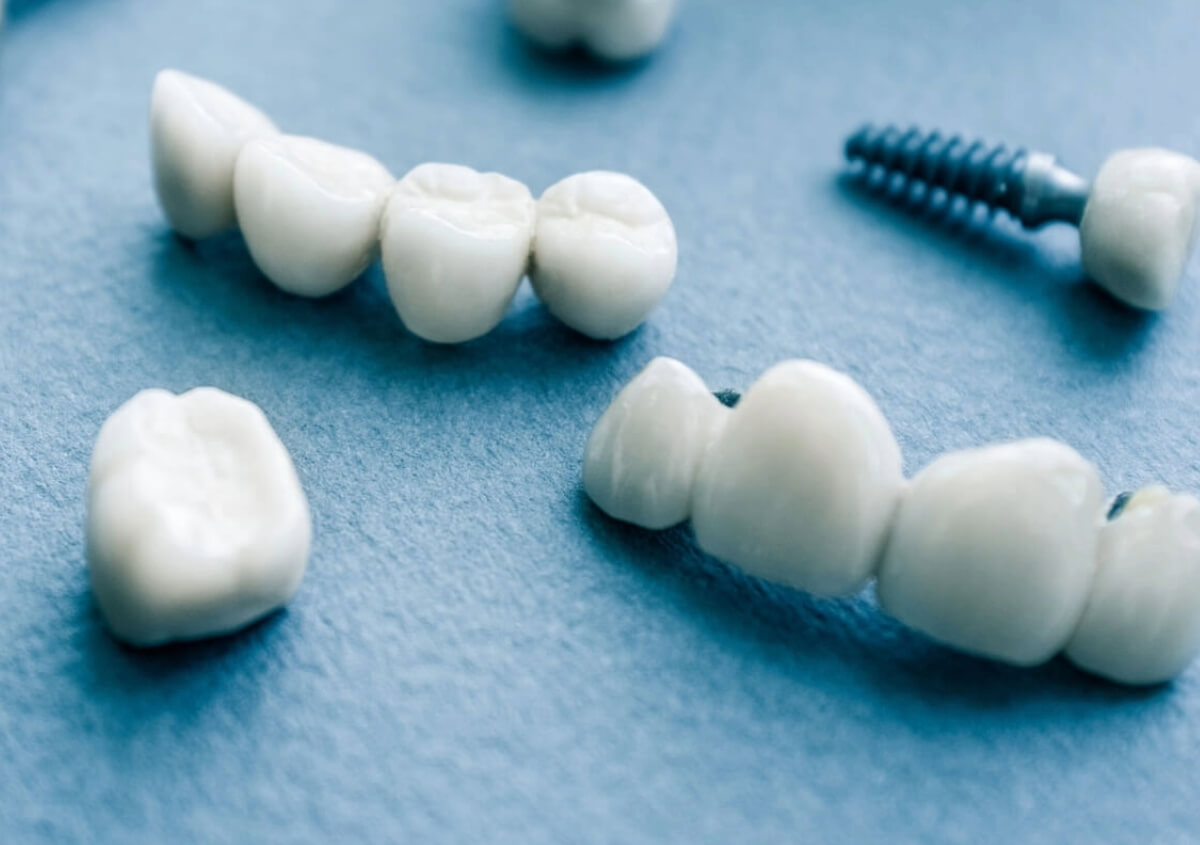
Dental crowns are tooth-shaped caps installed to encase your entire tooth to improve its color, shape, size, and strength. While a dental crown is a tiny appliance, it has become a staple in dentistry. Dental crowns have many uses in dentistry, including:
- Strengthening a weakened tooth
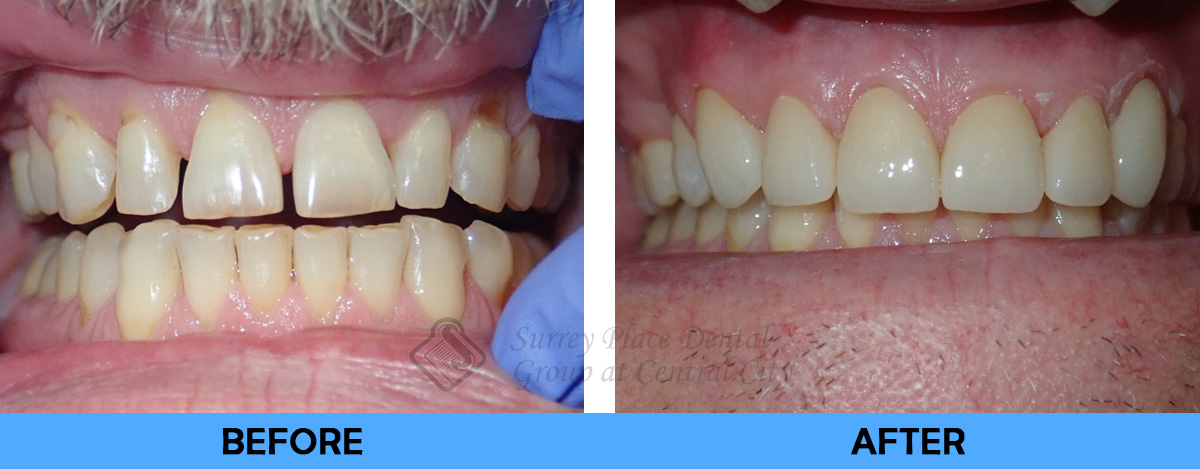
- Cosmetically enhancing a deep stained or misshapen tooth
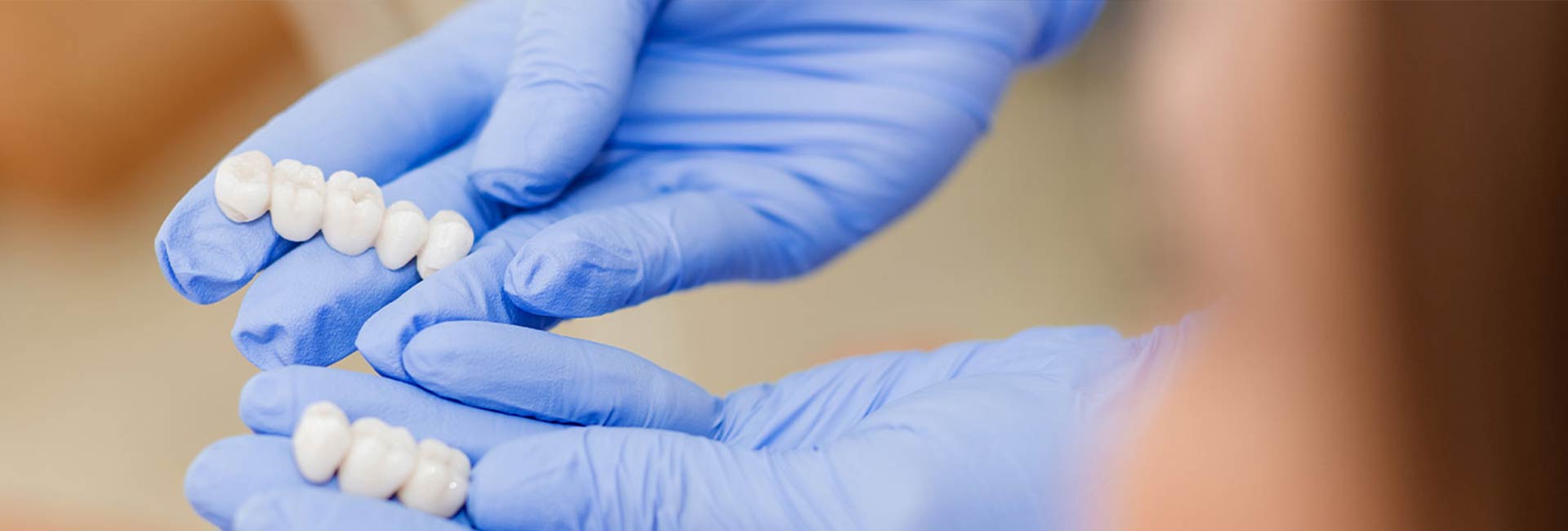
- Anchoring dental bridges
- Completing the dental implant treatment
- Protecting a tooth that has undergone root canal therapy
- Replacing a worn-out filling or inlay
Dental crowns have become popular in dentistry because they offer natural-like results. Porcelain crowns imitate the sheen of your natural enamel to generate an outcome virtually undetectable by an unsuspecting eye.
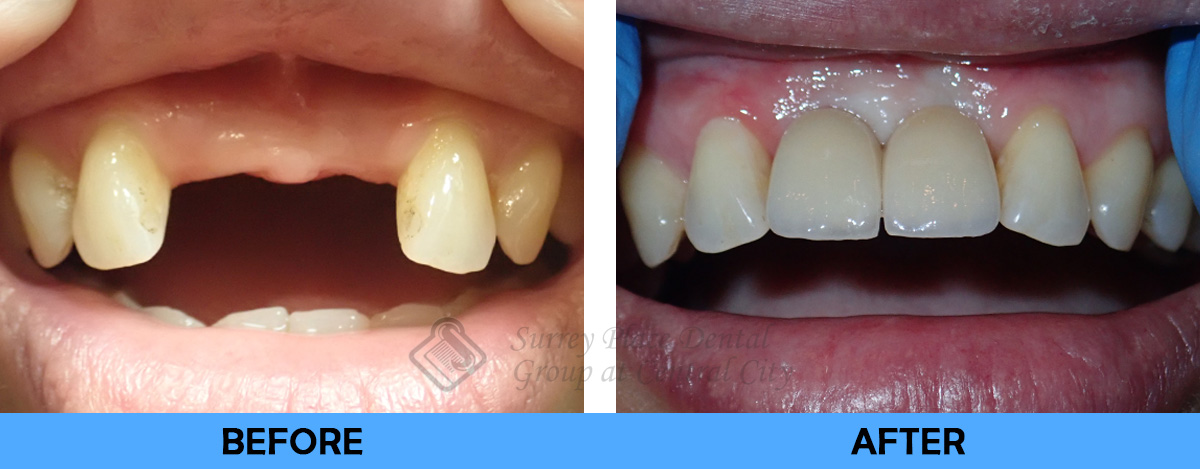
The Crowning Procedure
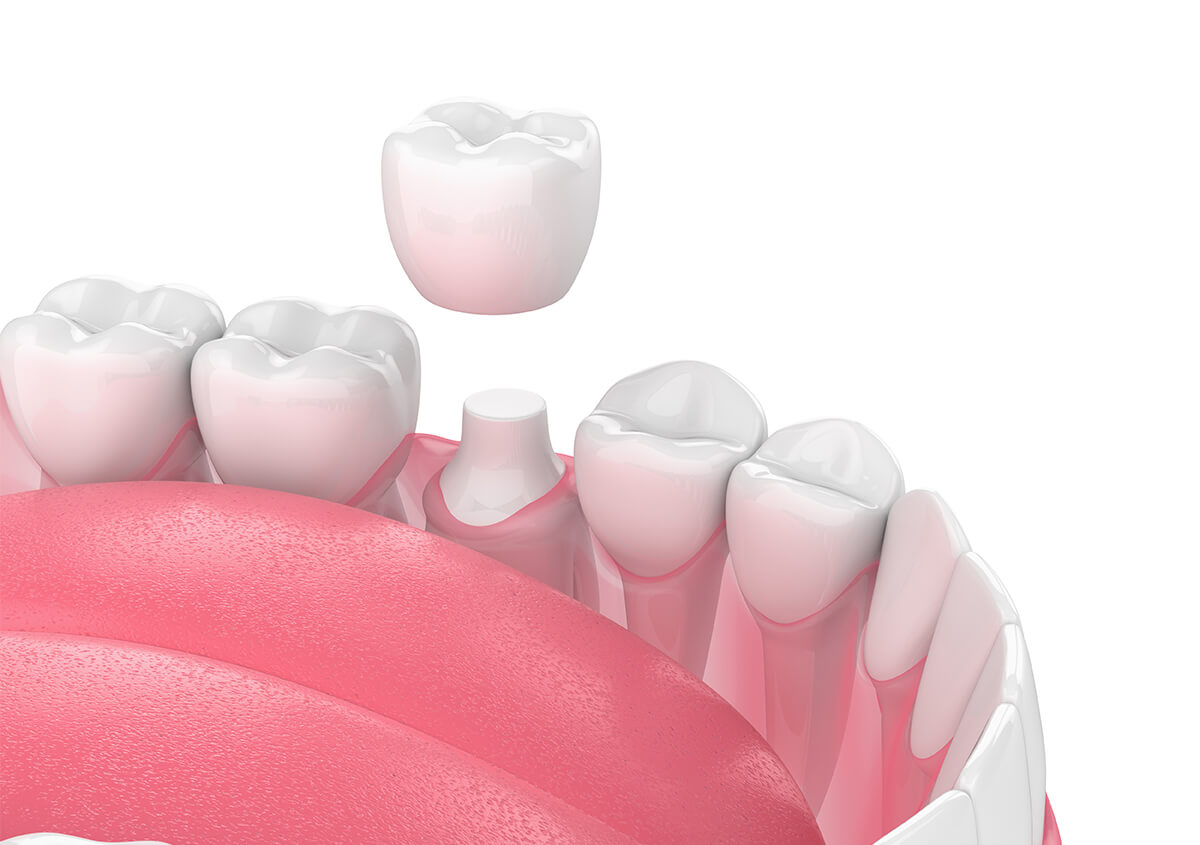
Installing a dental crown is a two-step procedure. During the first appointment, we evaluate your tooth to determine eligibility for a crown. If the dentist establishes that you are a good candidate for a crown, we numb your gums to minimize discomfort during treatment. Then, we file down and reshape your tooth to create space for a crown. After tooth preparation, we take your bite impressions and send the images to a dental lab to custom-make your crown. Since the process can take a few weeks, we will install a temporary crown to protect your prepped tooth.
Once your crown is ready, you will return to our dental clinic for the final visit. Our dentist will check how your crown fits, make minor adjustments, and then use dental cement to permanently bond it to your tooth. Once the procedure is complete, your crowned tooth will look and function like the rest of your teeth.
Frequently Asked Questions About Dental Crowns
When is a dental crown necessary?
A crown is typically recommended when a tooth is too weak or damaged to be restored with a standard filling. Teeth that are cracked, worn, or have large areas of decay often require crowns for added protection. Following root canal treatment, a tooth can become brittle, making a crown important for maintaining structural integrity. Crowns also support dental bridges, restore implants, and cover teeth that are misshapen or severely discolored. They effectively combine restorative and cosmetic needs, ensuring your teeth function properly while maintaining a natural appearance.
What materials are dental crowns made from?
Dental crowns can be made from many different types of material, but the most popular crowns today are manufactured using dental-grade porcelain or ceramic, due to their ability to be matched closely to the color and translucency of natural teeth, making them ideal for front teeth.Â
How long can a dental crown last?
With proper care, crowns can be restored in a long-lasting manner. Most crowns last between 10 and 15 years, and some may last even longer with excellent oral hygiene. Factors that affect longevity include the material of the crown, its placement in the mouth, the patient’s bite, and personal habits such as grinding or clenching. Maintaining daily brushing and flossing, avoiding very hard or sticky foods, and attending regular dental check-ups are essential for maximizing the lifespan of a crown.
What is the process for placing a crown?
The procedure for a crown generally requires two appointments. During the first visit, your dentist will remove decay or weakened tooth structure and shape the tooth to accommodate the crown. An impression is taken to ensure the final restoration fits perfectly. A temporary crown is placed while the permanent crown is fabricated. At the second visit, the dentist removes the temporary, checks the fit, color, and bite, and permanently bonds the crown.Â
Do crowns only repair damaged teeth?
While crowns commonly restore compromised teeth, they can also serve cosmetic purposes. Crowns can improve the appearance of teeth that are misshapen, discolored, or uneven. Unlike veneers, which cover only the front surface, crowns fully encase the tooth, providing complete protection while enhancing aesthetics.Â
Are dental crowns uncomfortable?
Most patients experience minimal discomfort during and after the procedure. Local anesthesia is used to numb the area, making the tooth preparation painless. Some mild sensitivity may occur in the days following treatment, particularly to hot or cold foods, but this typically resolves quickly. Crowns are designed to fit snugly, and once adjusted, they should feel like a natural part of your bite.
How should I care for a crown?
Crowns should be cared for similarly to natural teeth. Daily brushing and flossing are essential, especially along the gum line, to prevent decay at the edges of the crown. Routine dental visits allow your dentist to monitor the crown and ensure the supporting tooth remains healthy. Avoiding habits like chewing ice, biting nails, or grinding teeth will also help preserve the crown.
What results can I expect after a crown is placed?
Once the crown is placed, the tooth is restored to full function, allowing for comfortable chewing and speaking. A well-made crown will match the shape, size, and color of your natural teeth, improving the overall appearance of your smile. Crowns also help maintain proper alignment and prevent neighboring teeth from shifting, contributing to long-term oral health.
Restore Your Smile with Natural-Looking Crowns
If you have damaged or decayed teeth, you don’t have to live an unfulfilled life. Instead, turn to porcelain crowns to rebuild your smile. If you are in Surrey, British Columbia, please dial (604) 969-4212 to book an appointment with Surrey Place Dental Group for porcelain crowns.